Home Decor
Ultra-Thin Crystal Whisky Glass. Hand-Blown Tumbler
UK VAT included · Free shipping over £50
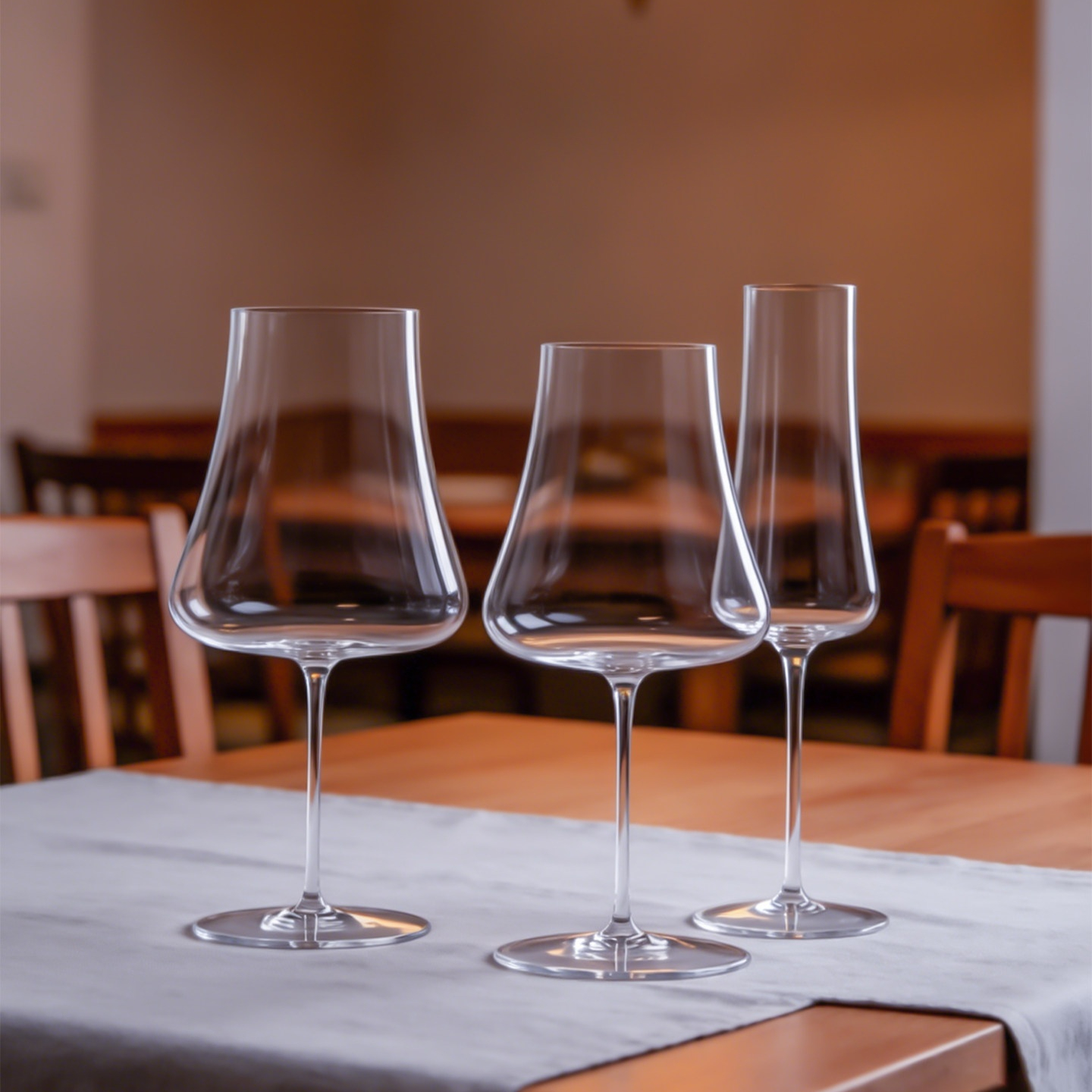
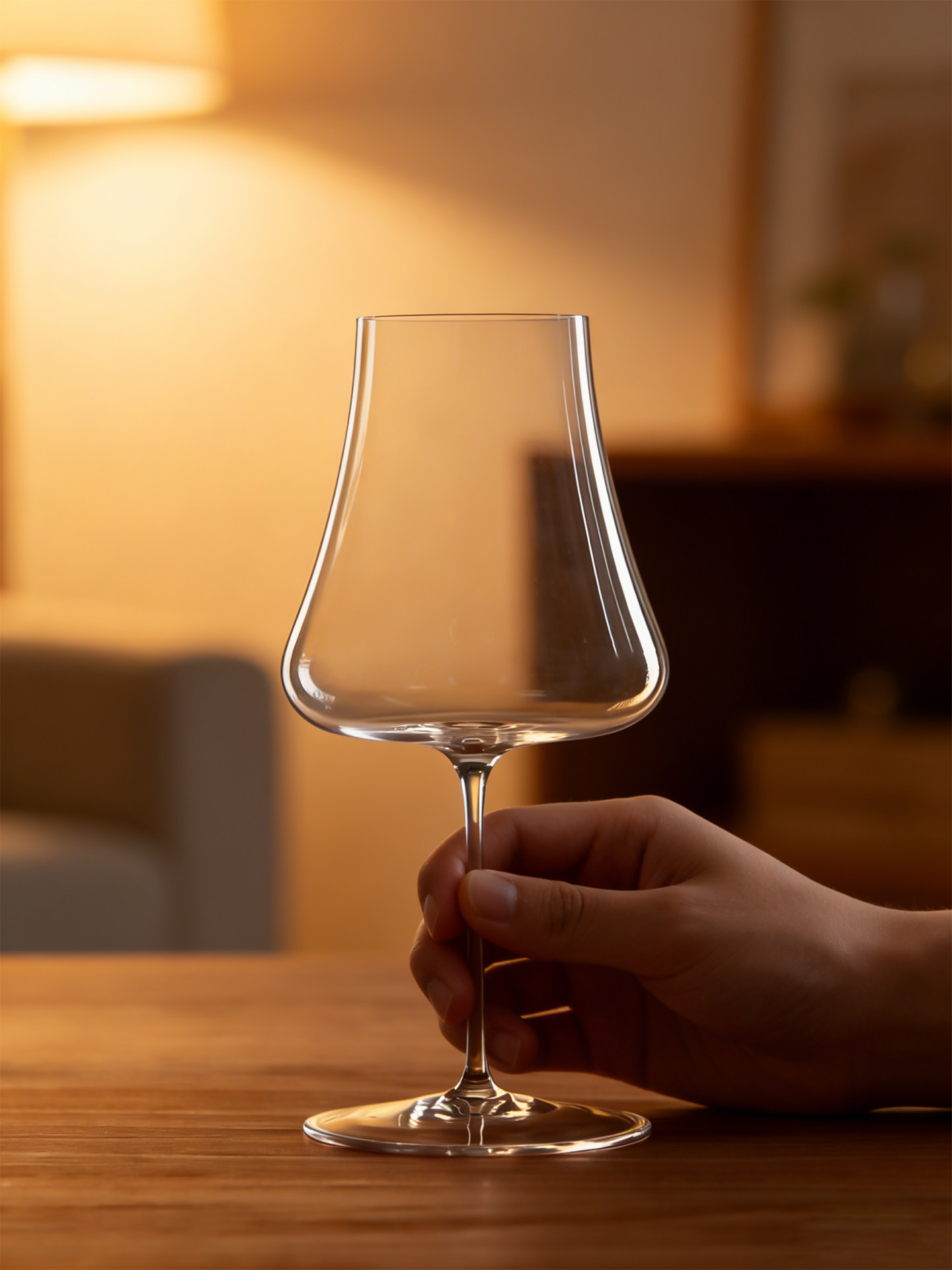
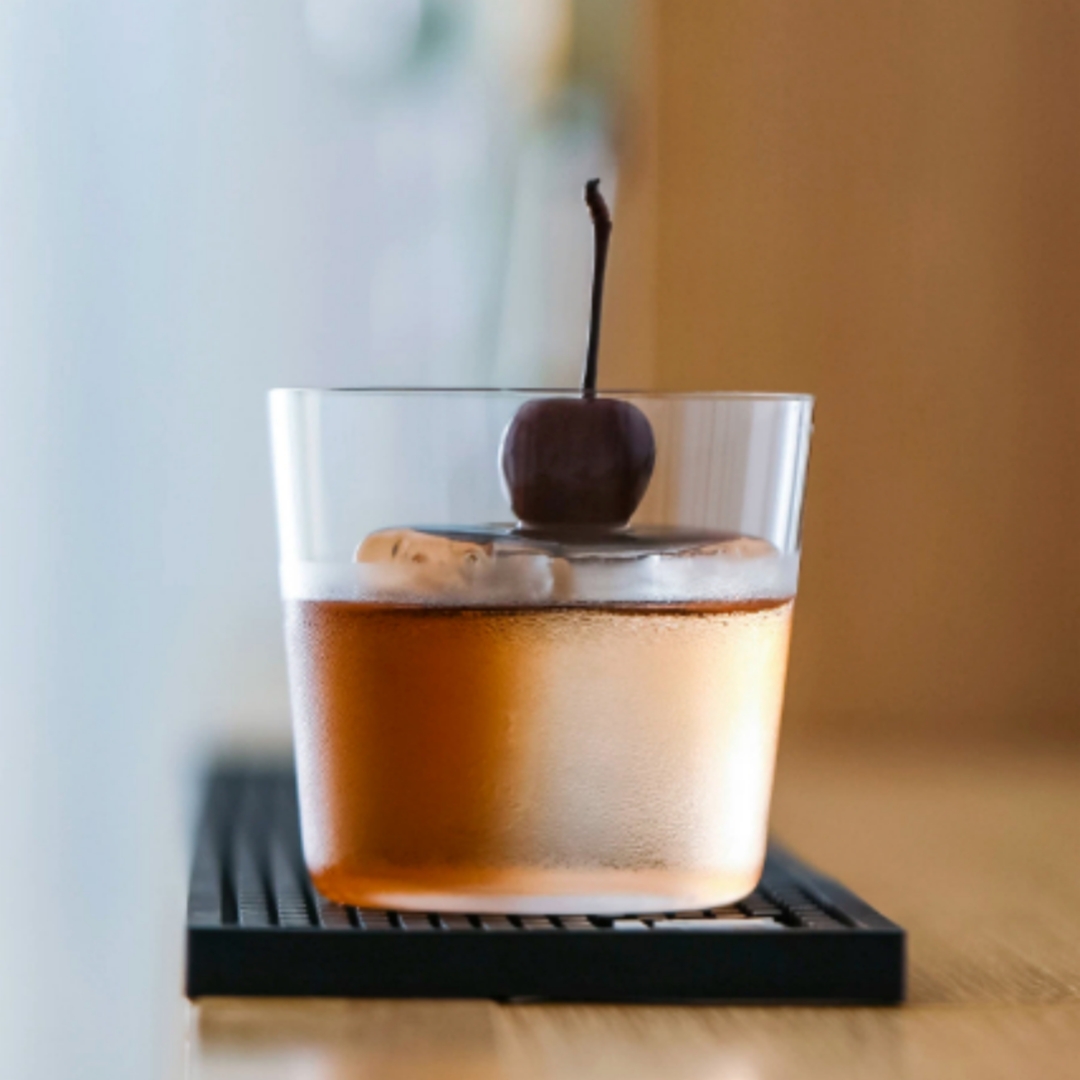
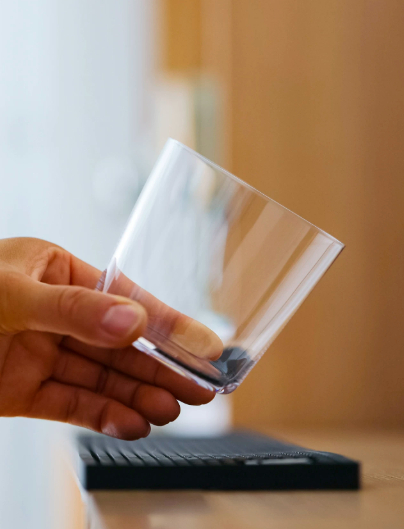
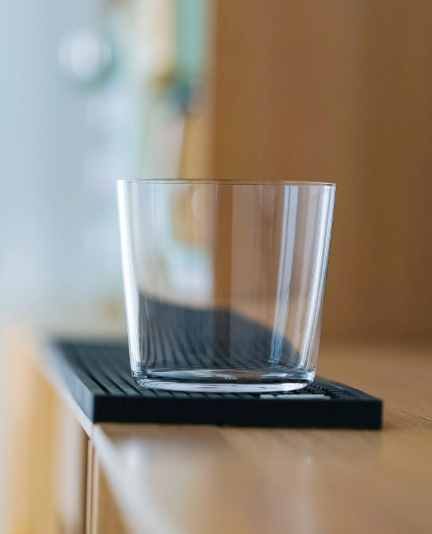
Hand-blown ultra-thin crystal whisky tumbler. 1.5mm wall: refined, almost weightless. Lead-free crystal, 250ml capacity. For neat sipping where the glass should disappear.
- Free UK Shipping
- 30-Day Returns
- Secure Checkout
Features
- Hand-blown ultra-thin walls (1.5mm)
- Lead-free crystal
- Weighted 5mm base for stability
- 250ml capacity (perfect for a 50ml neat pour + room to swirl)
- 150g ultralight in hand
- Hand-wash recommended
- Materials
- Lead-free crystal, hand-blown ultra-thin
- Dimensions
- 8.5cm tall × 8cm diameter · 250ml capacity
- SKU
- UTW-HANDBLOWN
About this piece
Most whisky glasses are designed to look like they belong in a steakhouse heavy, substantial, masculine. This is the opposite. Ultra-thin walls, light in hand, refined enough that the glass disappears into the experience.
For neat whisky sipping where what you’re tasting matters more than what the glass looks like, this is the one.
Why ultra-thin matters for sipping
The thickness of the glass at your lip does affect taste perception. A 5-7mm wall (typical heavy rocks glass) creates a measurable barrier: the whisky enters the mouth after touching cold thick glass, slightly altering the temperature and the immediate flavour impression.
A 1.5mm wall lets the whisky reach your tongue directly. The glass effectively disappears at the lip. Premium Japanese whisky drinkers; who treat whisky like wine — almost universally prefer thin-walled glasses for this reason.
When to use ultra-thin vs heavy
| Ultra-thin (this one) | Heavy rocks glass | |
|---|---|---|
| Weight | 150g | 380g |
| Wall thickness | 1.5mm | 5-7mm |
| Best for | Neat whisky sipping, Japanese style, delicate whiskies | Whisky on the rocks, Old Fashioned, bar-grade aesthetic |
| Aesthetic | Delicate, refined, Japanese/European | Substantial, masculine, American |
| Dishwasher | Hand-wash only | Top rack OK |
| Durability | Good with care | Excellent |
| Price | £11 | £12-25 |
You don’t have to choose. Many whisky enthusiasts have both heavy for evening rocks-and-cube serving, ultra-thin for Sunday afternoon Yamazaki sipping.
Best whisky for this glass
- Japanese single malt (Yamazaki 12, Hakushu, Hibiki, Nikka Yoichi): what the glass is built for
- Delicate Speyside scotch (Glenfiddich 15, Glenlivet Founder’s Reserve, Aberlour A’bunadh)
- Lowland scotch (Auchentoshan, Glenkinchie)
- Irish whiskey (Redbreast 12, Green Spot, Yellow Spot, Bushmills 21)
- Premium American bourbon for neat sipping (Eagle Rare, Buffalo Trace Antique, Pappy Van Winkle)
Less ideal for heavily peated Islay (Laphroaig, Lagavulin, Ardbeg) where a Glencairn nosing glass concentrates the medicinal/smoky nose better. Use this for everything else.
The Japanese sipping ritual
How Japanese whisky bars serve premium single malt:
- Cold whisky glass (kept in chiller)
- Single 50ml pour, no ice, no water
- Whisky breathes for 30 seconds at the glass rim
- First sip is observation only; temperature, weight, immediate impression
- Second sip after 1-2 minutes — the whisky has warmed slightly, aromatics have developed
- Third sip after another minute the full flavour profile has emerged
- Glass empty in 5-7 minutes
The thin-walled glass supports this: you actually taste the changes as the whisky warms. In a heavy thick glass, the temperature lag and lip-thickness mute the differences.
Care
Hand-wash only; the thin walls (1.5mm) are vulnerable to impact damage. Warm water, rinse, air-dry on a soft cloth.
Stored upright (not inverted on the rim). With reasonable care, lasts 5-10 years of regular use.
If clouding appears, soak in 1:1 white vinegar and water for 30 minutes. Restores clarity.
Pair with
- Classic Crystal Whisky Glass — heavier alternative for ice sphere service
- Crystal Highball Cocktail Glass for whisky highball / Japanese style
- Portable Stainless Whisky Decanter: to decant your good whisky for travel
- See Italian vs English Leather guide; same craftsmanship principles applied to leather goods
Questions answered
Why an ultra-thin whisky glass? +
Two reasons. (1) The thin glass disappears at the lip, you taste the whisky directly without the glass thickness as an intermediary. Premium whisky drinkers (Japanese single malt enthusiasts particularly) prefer this for nuanced sipping. (2) Lighter in hand (150g vs 380g for a heavy rocks glass) — feels delicate and refined.
Is this safer than a heavy rocks glass for nosing whisky? +
Better, not safer. The thinner rim and lighter weight mean less of the glass touches your lips, so the whisky enters cleanly without the lip noticing the glass. For heavily peated Islay whiskies or delicate Japanese single malts (Yamazaki, Nikka, Hibiki), a Glencairn nosing glass concentrates the nose better; this is the next-best general-purpose option.
Will it crack with ice? +
Lead-free crystal is more thermal-shock-resistant than traditional lead crystal. Ice in room-temperature whisky in this glass is fine. Avoid extremes: boiling water + ice in quick succession could stress the thin walls. For neat whisky (no ice), no issue at all.
Can it go in the dishwasher? +
Hand-wash recommended. The thin walls (1.5mm) are vulnerable to impact damage during dishwasher movement. The dishwasher heat itself isn't the problem neighbouring glasses knocking it during the cycle is. Hand-washing extends life to 5-10 years; dishwashing typically 1-2.
How is this different from the Classic Whisky Glass? +
Different aesthetics. Classic is heavy (380g), bar-grade, designed for ice sphere service, feels substantial, looks American/masculine. Ultra-thin (this one) is light (150g), refined, designed for neat sipping; feels delicate, looks Japanese/European. Heavy for whisky on the rocks; ultra-thin for neat whisky tasting.
Sold as singles? +
Yes — £10.99 per glass. Order multiples for matched sets. Single-glass sales work well for whisky tasters who only want one quality glass for their sipping.
What whisky suits this glass? +
Best for: Japanese single malt (Yamazaki, Hakushu, Hibiki, Nikka), delicate Speyside (Glenfiddich, Glenlivet, Aberlour), Lowland scotch (Auchentoshan, Glenkinchie), Irish whiskey (Redbreast, Green Spot). Less ideal for: heavily peated Islay (Laphroaig, Lagavulin) where a Glencairn nosing glass concentrates the nose better.
Is it actually lead-free crystal? +
Yes modern lead-free crystal made with potassium oxide instead of lead oxide. Same brilliance and refractive quality, no leaching concerns even with sustained contact. This matters when you're sipping a £100 bottle of whisky slowly, you want zero interference.