Home Decor
Large-Bowl Crystal Red Wine Glass. Burgundy Profile
UK VAT included · Free shipping over £50
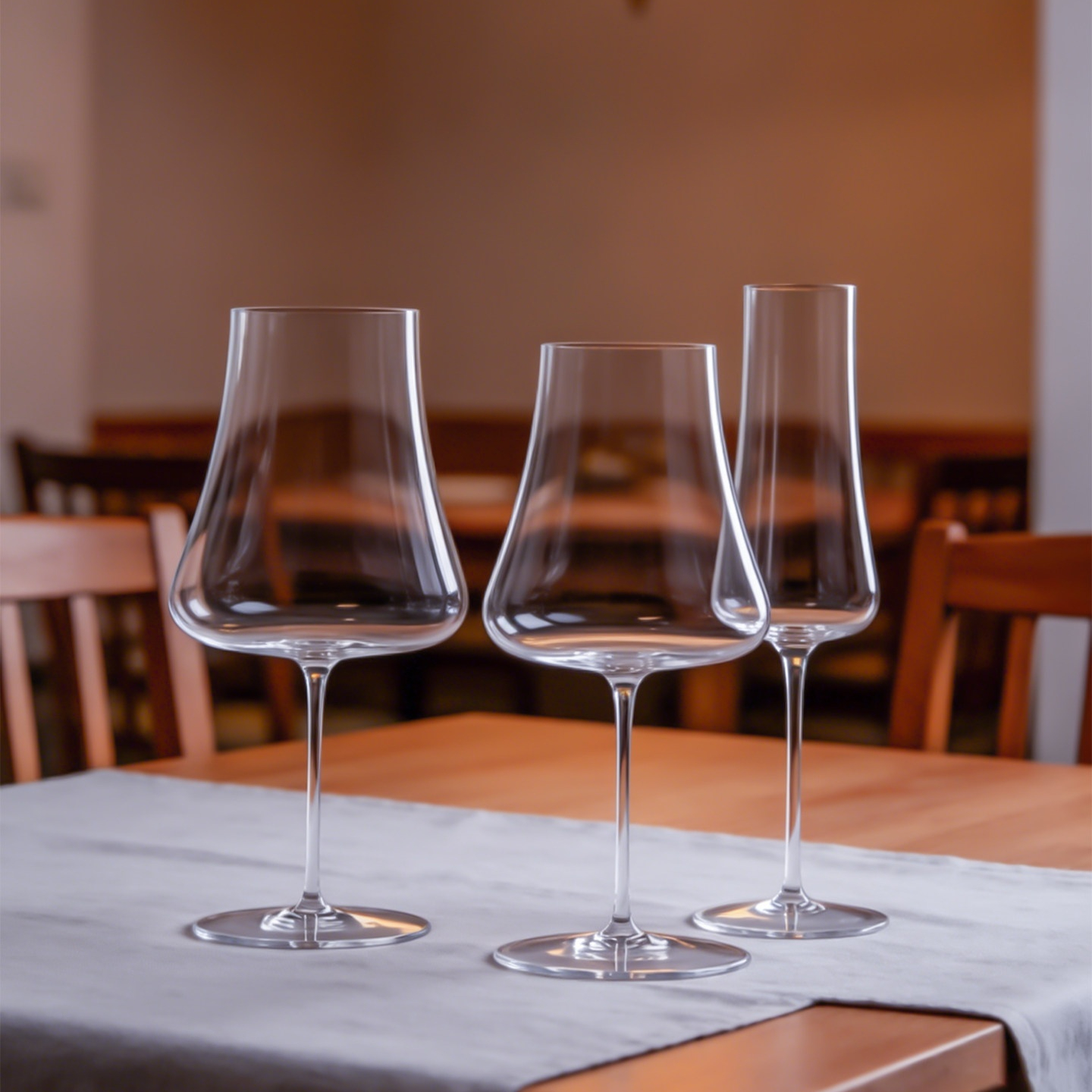
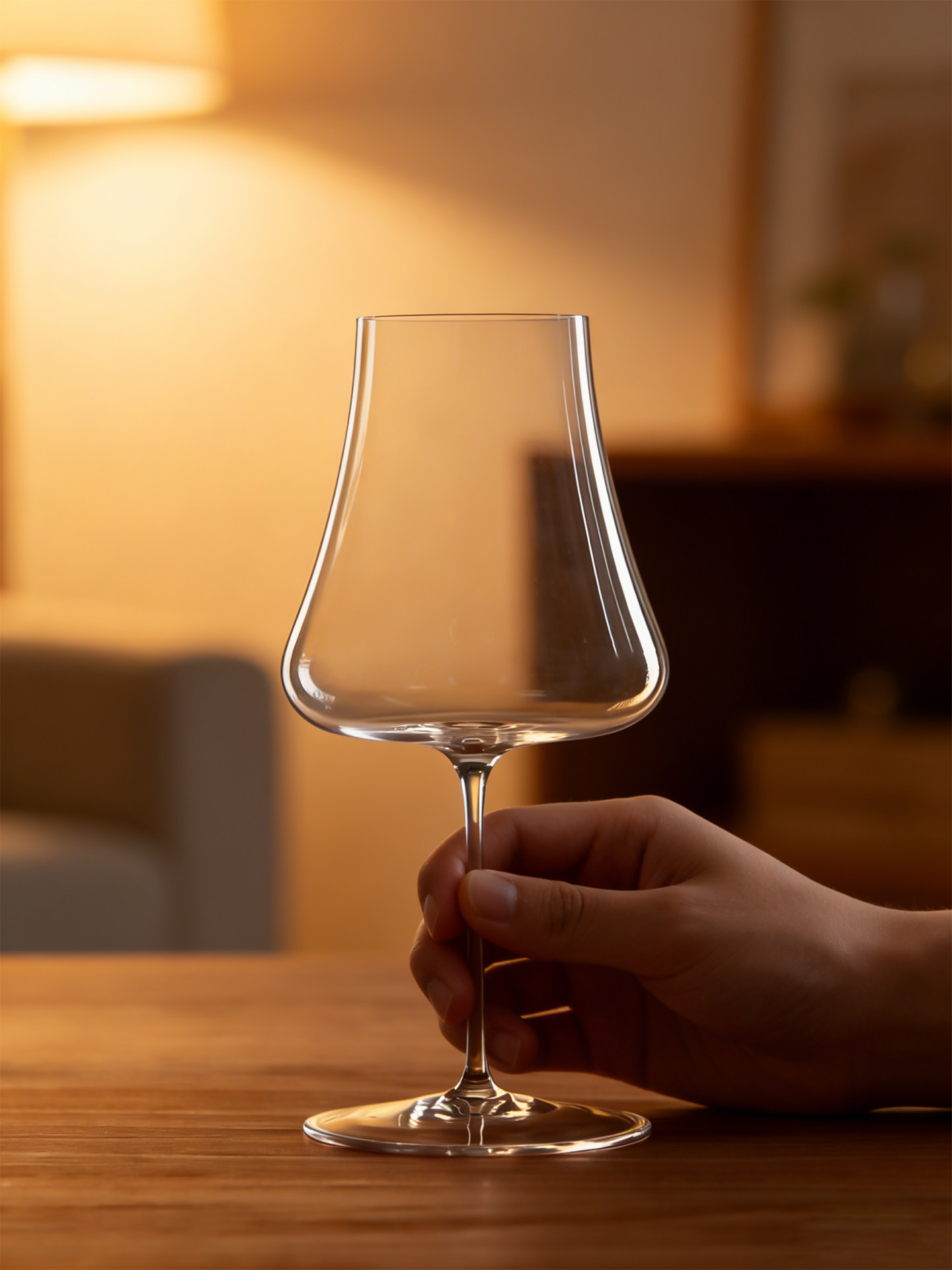
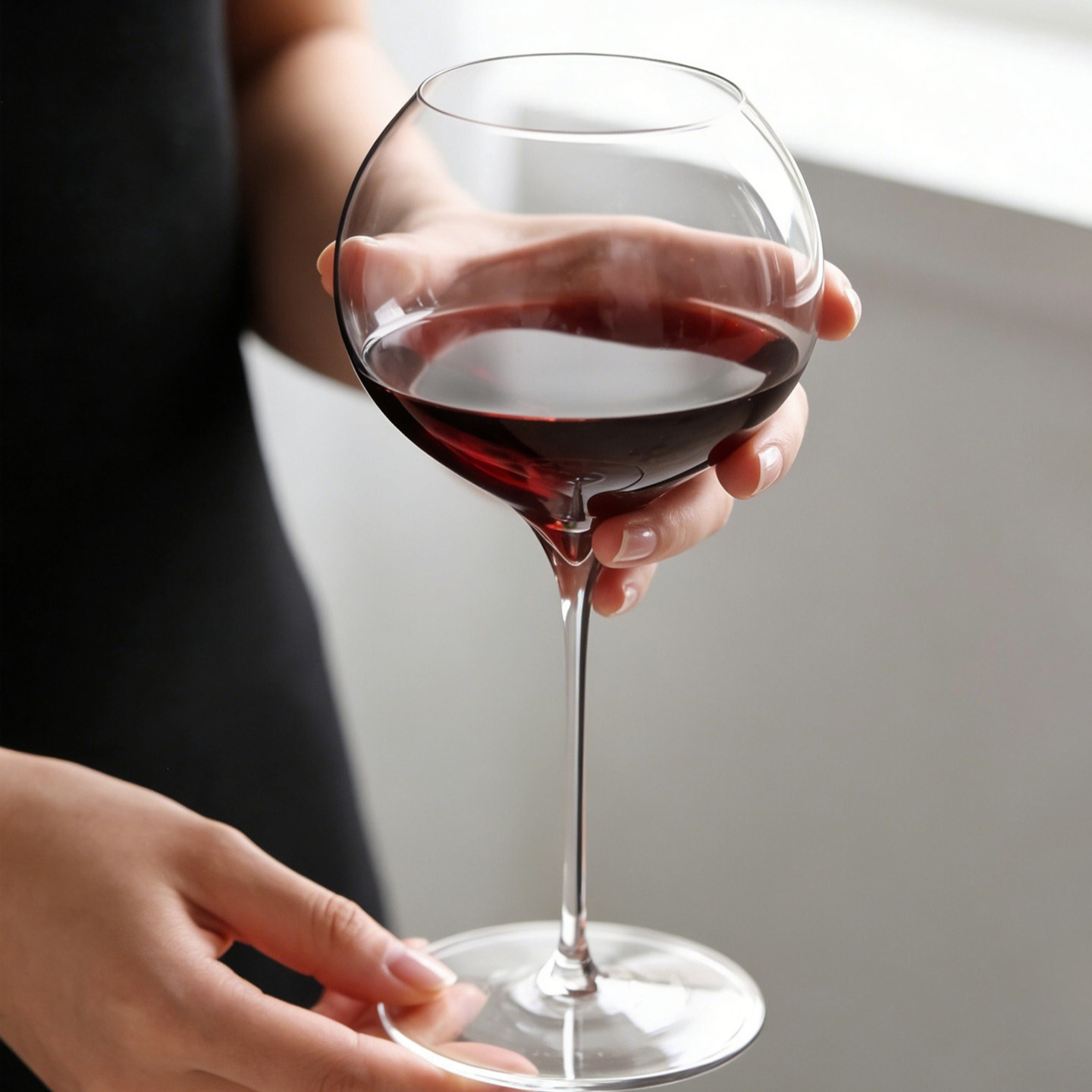
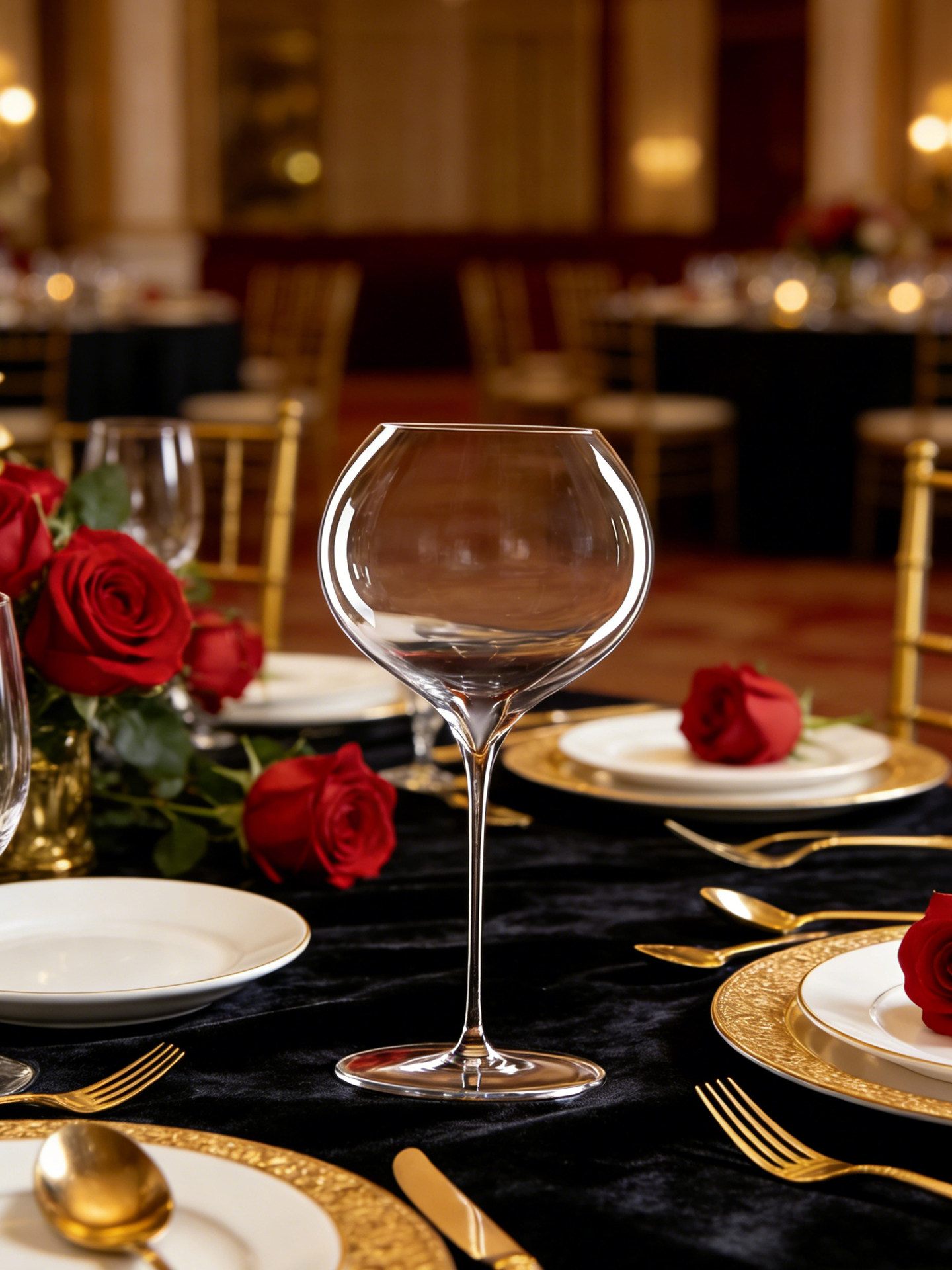
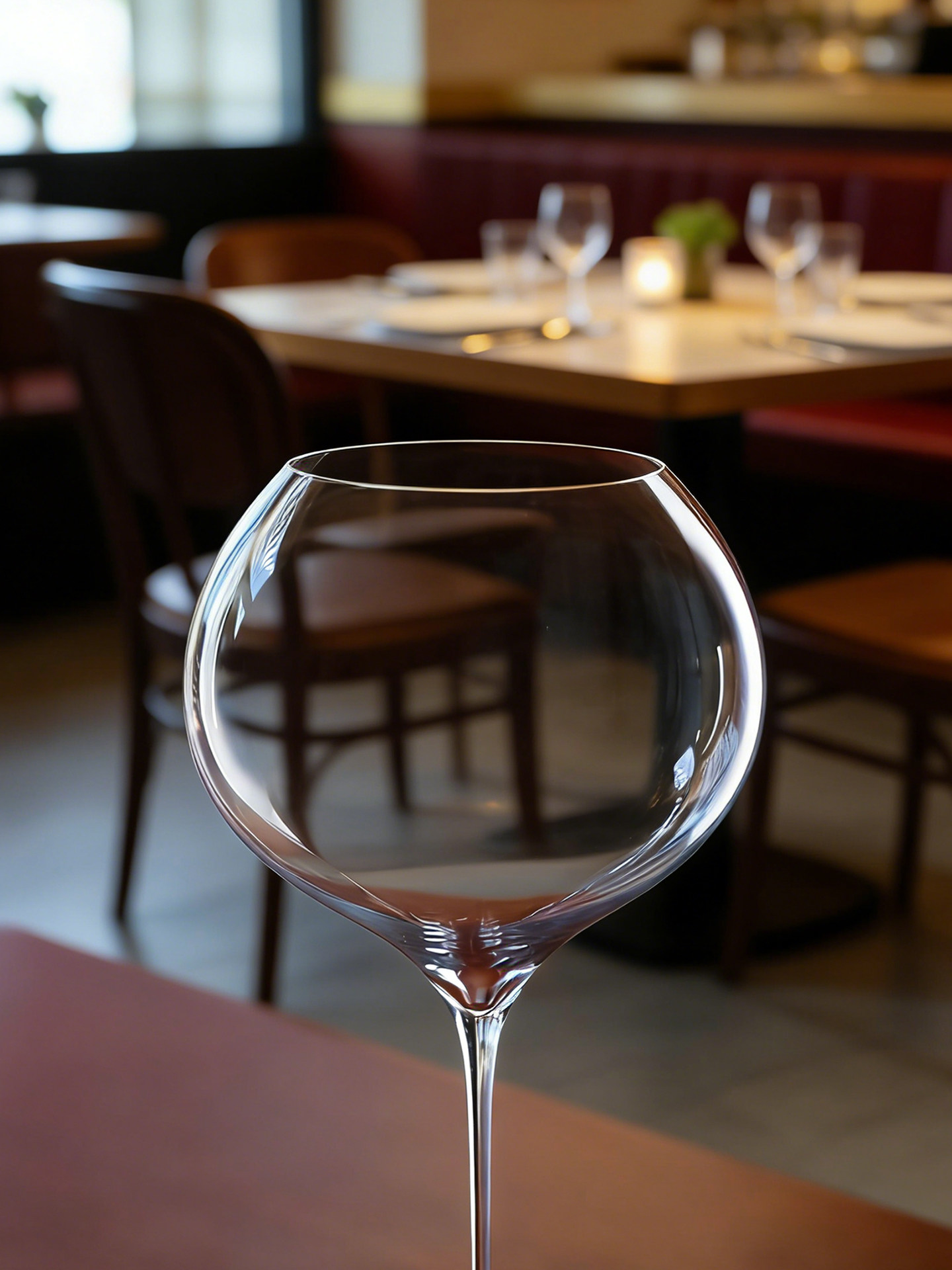
Large-bowl Burgundy-style red wine glass: wider bowl than a Bordeaux glass for delicate reds (Pinot Noir, Gamay). Hand-blown lead-free crystal, tall balanced stem.
- Free UK Shipping
- 30-Day Returns
- Secure Checkout
Features
- Hand-blown lead-free crystal
- Burgundy bowl profile (wider, rounder than Bordeaux)
- 650ml capacity (175ml pour = 1/4 fill)
- Tall balanced stem (24cm total)
- Sold individually
- Dishwasher safe (top rack, with stem cradles)
- Materials
- Lead-free crystal, hand-blown
- Dimensions
- 24cm tall × 11cm bowl diameter · 650ml capacity
- SKU
- CRW-BURGUNDY
About this piece
If you drink Pinot Noir, you need a Burgundy glass. The Bordeaux profile (taller, narrower bowl) suffocates delicate reds concentrates the wine to the back of the palate where tannin lives, and Pinot Noir doesn’t have much tannin. The aromatics are everything, and they need room to release.
This is the room.
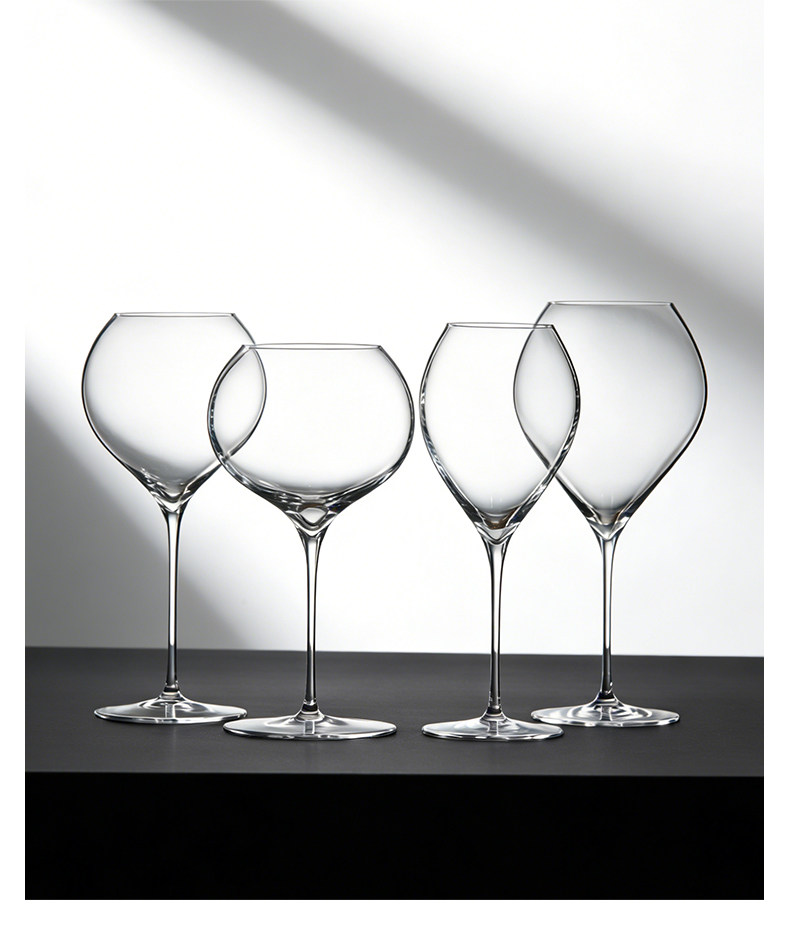
Bordeaux vs Burgundy: when each one wins
The two main red wine glass profiles are designed for different wines:
Bordeaux glass (taller, narrower bowl):
- Designed for: Cabernet Sauvignon, Bordeaux blends, Malbec, Syrah/Shiraz, Rioja Reserva, Barolo, Brunello, full-bodied reds in general
- Directs wine to the back of the palate, emphasising tannins and structure
- The workhorse for most home wine drinkers
Burgundy glass (this one) (wider, rounder bowl):
- Designed for: Pinot Noir, Gamay (Beaujolais), Nebbiolo (Barolo done old-school), aged Burgundy, light-bodied reds
- Wider opening releases aromatics; emphasises nose over palate
- The specialist for delicate red drinkers
If you buy one red wine glass profile, get Bordeaux. If you drink Pinot Noir or Burgundies regularly enough to notice the difference, add Burgundy as a second.
How to use a wine glass with a 650ml bowl
The capacity sounds excessive — most home wine glasses are 350-450ml. The 650ml is intentional. The proper pour is still 175ml (the standard restaurant measure). The remaining 475ml of empty headspace is the design feature, not a bug.
Pour to 1/4; 175ml in a 650ml bowl looks dramatically empty. That’s correct.
Swirl with conviction: the wider bowl gives you more room. Three or four loose rotations releases volatile aromatics into the bowl headspace.
Nose deep; the wider mouth lets you bury your nose in the glass without bumping the rim. This is exactly what Pinot Noir aromatics need.
Hold by the stem — keeps your hand heat from warming the wine. Reds should be at 16-18°C; warm hands push the wine above the optimal range within minutes.
Hand-blown what that means
Each glass is individually drawn from molten crystal. The bowl is shaped, the stem is pulled, the foot is added: all by hand, while the glass is still hot. Slight variations in stem thickness from glass to glass are normal and indicate genuine hand work.
Machine-pressed glasses are perfectly uniform; hand-blown have organic variation. Hand-blown also has thinner walls (the glassblower can pull the bowl thin in ways a mould can’t).
Care
Hand-wash in warm soapy water, rinse, air-dry stem-down on a soft cloth or wine glass tree. Don’t dishwasher with heavy items; movement damage to the thin stem is the primary failure mode.
If clouding appears after years of use, soak in 1:1 white vinegar and water for 30 minutes. Restores clarity.
Pair with
- Bordeaux Crystal Wine Glass — the workhorse profile for full-bodied reds
- Crystal Champagne Glasses for sparkling wine and celebrations
- See Best Whisky Decanter Sets Under £200 for the full home bar setup
Questions answered
What is a Burgundy glass and when do I need one? +
Burgundy glass = wider, rounder bowl. Designed for delicate reds. Pinot Noir, Gamay (Beaujolais), Nebbiolo (Barolo, Barbaresco), aged Burgundy reds. The wider bowl emphasises aroma over tannin (the opposite of a Bordeaux glass). You need one if you regularly drink delicate Pinot Noir or Burgundies; otherwise a Bordeaux glass covers most reds.
Burgundy vs Bordeaux — which one first? +
Bordeaux first (taller, narrower bowl): handles the broader range of common reds (Cabernet, Bordeaux blends, Malbec, Shiraz, Rioja). Burgundy second when you start drinking Pinot Noir or Burgundies regularly. If you only buy one, get Bordeaux. If you buy two, this is your second.
Why is the bowl so big? +
650ml capacity sounds excessive but the proper pour is still 175ml (the standard restaurant measure). The huge empty headspace (475ml) is the entire point it gives the wine maximum surface area for aromatic release. Pinot Noir's delicate aromatics need that release; cramped in a small glass they're trapped and muted.
What wines work best in this? +
Designed for: Pinot Noir (Burgundy, Oregon, New Zealand), Gamay (Beaujolais), Nebbiolo (Barolo, Barbaresco), aged red Burgundy, Sangiovese (especially Brunello di Montalcino), aged Tempranillo. Works for Cabernet but slightly under-spec'd; works for Syrah but the broader bowl loses some of the structure.
Is this lead-free crystal? +
Yes, fully lead-free crystal made with potassium oxide instead of lead oxide. Same brilliance and refractive quality, no leaching concerns even with acidic wines or sustained contact (a half-hour decanting session).
How fragile is the stem? +
Hand-blown stem is the failure point on any wine glass; won't fail under normal use, but vulnerable to being knocked over while empty. Filled glasses are more stable (lower centre of gravity). Store upright, not inverted on the rim. With reasonable care, lasts 10+ years.
How does it pair with the Bordeaux glass? +
Different wines, same household. Bordeaux for full-bodied reds (Cabernet, Malbec, Shiraz, Rioja), Burgundy (this one) for delicate reds (Pinot Noir, Gamay). Most serious wine drinkers own both profiles in pairs. Order both as a 4-glass setup for entertaining.
Sold as singles or sets? +
Single glass at £33.99. For matched pairs/sets, order multiples — same production batch ships together so optical clarity is matched.