Home Decor
Hand-Blown Crystal Champagne Glasses. Tulip Profile
UK VAT included · Free shipping over £50
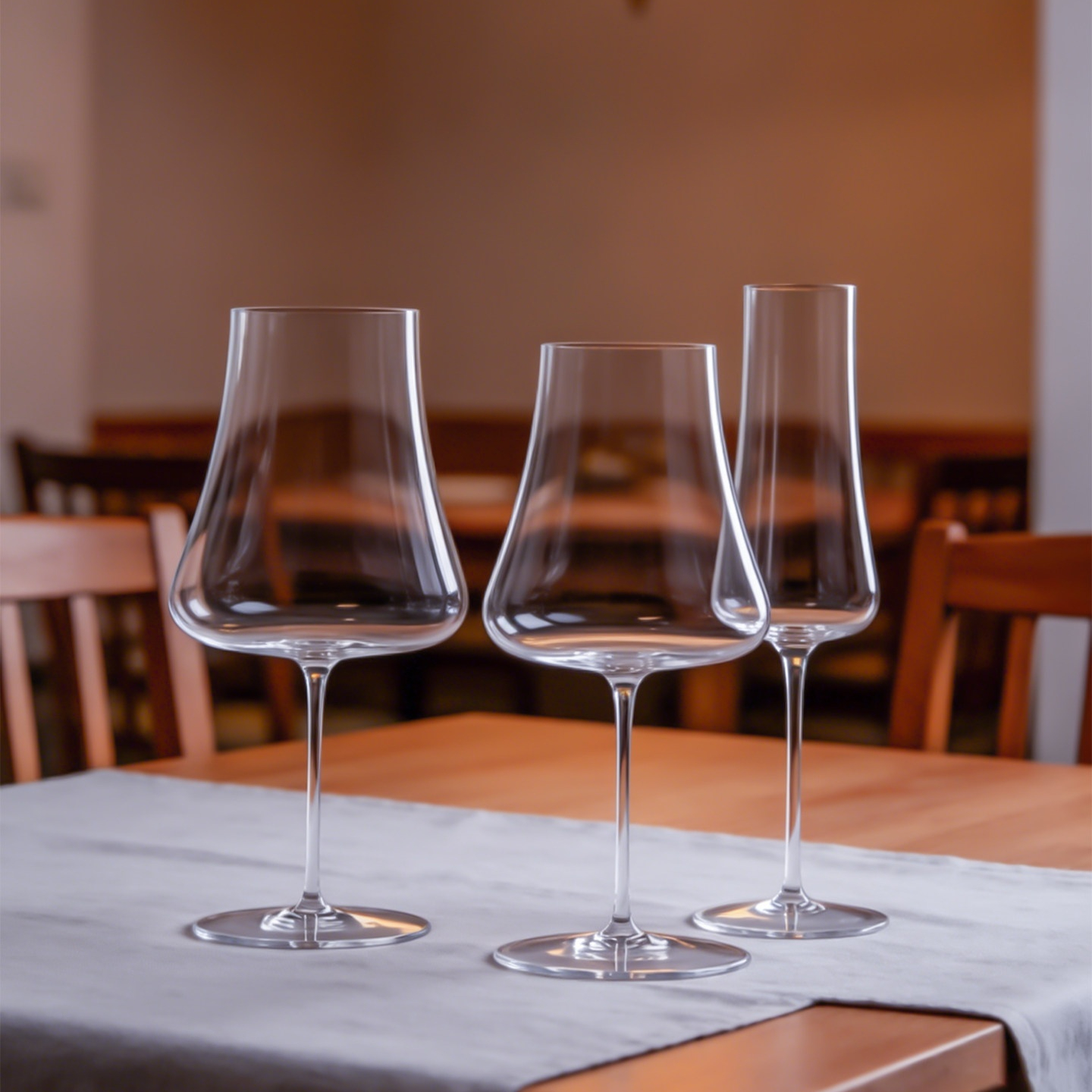
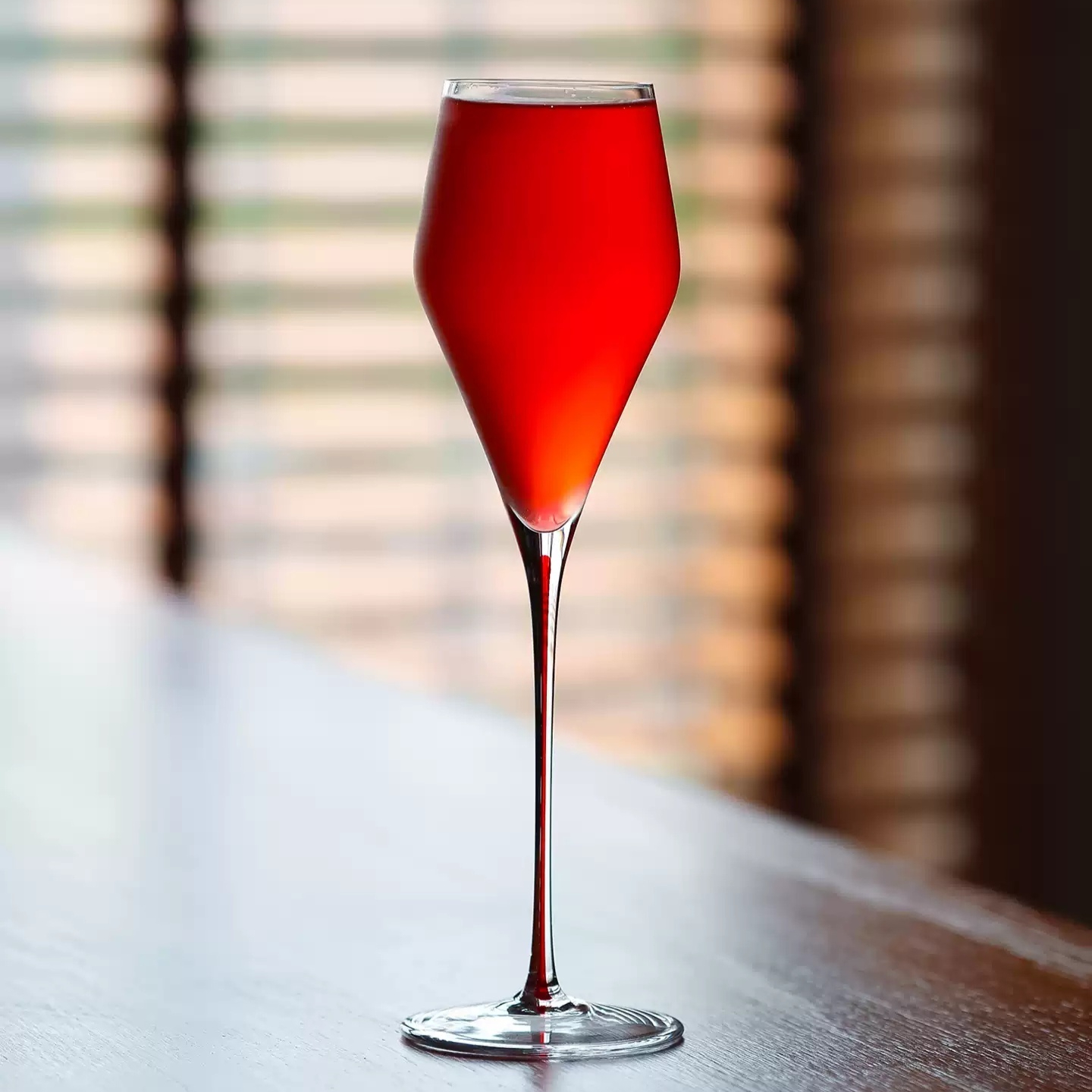
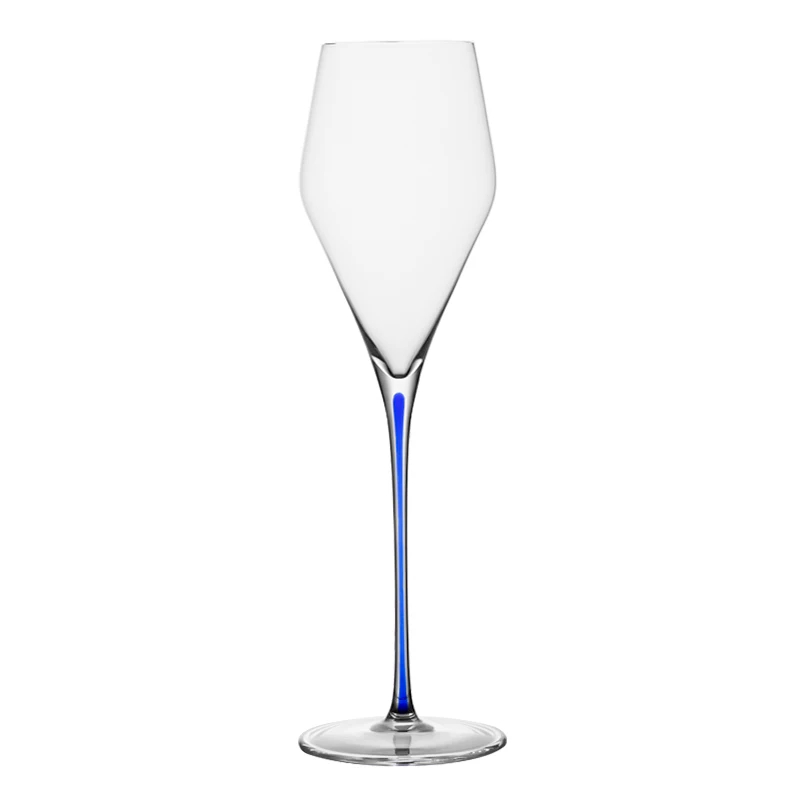
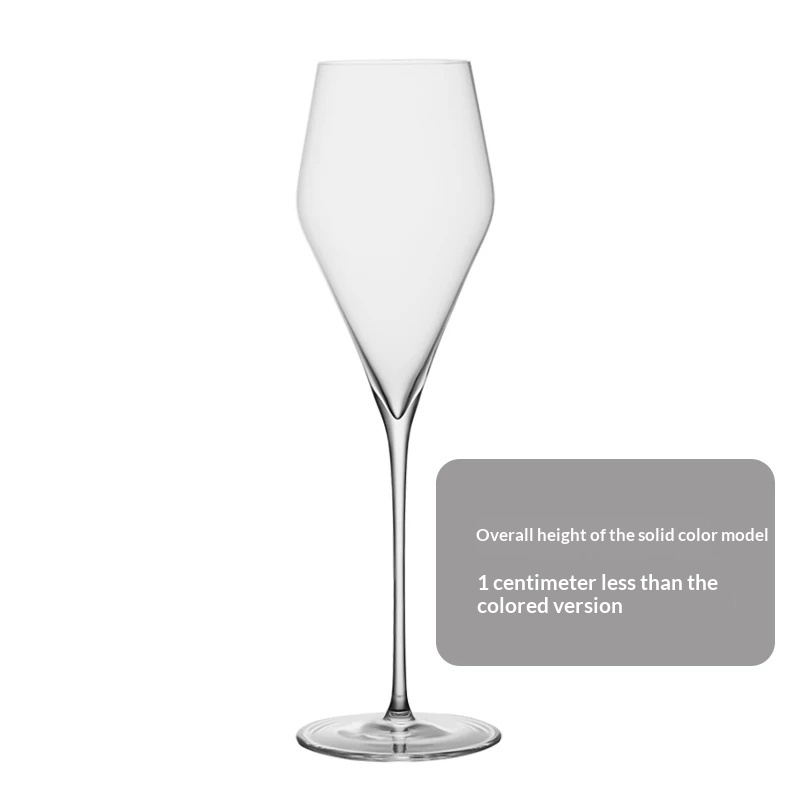
Hand-blown lead-free crystal champagne flutes with refined tulip profile. Tall stem, narrower mouth than a standard flute: concentrates aromatics, holds bubbles longer. Sold as a pair.
- Free UK Shipping
- 30-Day Returns
- Secure Checkout
Features
- Hand-blown lead-free crystal
- Tulip profile (better aromatics than standard flute)
- Tall stem (24cm total)
- 180ml capacity (fills to 125ml = 1/3)
- Sold as a pair (matching production batch)
- Dishwasher safe (top rack, with stem cradles)
- Materials
- Lead-free crystal, hand-blown
- Dimensions
- 24cm tall × 6cm bowl diameter · 180ml capacity per glass
- SKU
- CCG-TULIP-PAIR
About this piece
The flute had a moment. The coupe had a longer moment, then disappeared, then came back as a Champagne Tower prop. The tulip is the sommelier’s quiet favourite and it’s quietly winning.
Why tulip beats flute and coupe
The flute (tall narrow column) preserves bubbles by minimising the surface area where CO2 escapes. Excellent for keeping bubbles, terrible for releasing aroma: the narrow opening traps everything inside. You see the bubbles, you taste very little.
The coupe (wide shallow saucer, the Marie Antoinette glass) releases aroma beautifully but loses bubbles in five minutes. By the time you’ve taken three sips, the champagne is flat. Looks vintage; tastes vintage in the bad way.
The tulip (this glass) is the modern compromise sommeliers have settled on. Slightly wider than a flute, much narrower than a coupe; bubbles last 30-45 minutes (vs 5-10 in a coupe), and the wider mouth releases enough aromatic character to actually taste the wine you’re drinking.
Hand-blown — what that actually means
Each glass is individually drawn from molten crystal by a glassblower. The bowl is shaped, the stem is pulled, the foot is added all by hand, while the glass is still hot.
The signal of genuine hand work:
- Slight variations in stem thickness from glass to glass
- The bowl-to-stem transition has organic variation (not a perfect seam)
- No visible mould seam line on the bowl
- Each pair has subtle differences from the next pair
Machine-pressed champagne glasses (the supermarket alternative) are perfectly uniform: every glass is identical because it came out of the same mould. Hand-blown looks more refined and ages better.
Best for
- Wedding gift; paired flutes are a wedding classic, hand-blown is the considered upgrade
- Anniversary gift — particularly 1st (paper, but symbolic), 25th (silver), 50th (gold)
- Engagement / proposal the moment that needs a glass that isn’t from the kitchen cupboard
- New Year’s Eve: the one night of the year these get used at every house in the country
- Restaurant-grade home dining; when you actually open a bottle of champagne with dinner
How to drink champagne properly
Pour to 1/3 — 125ml in this 180ml glass. The empty headspace lets aromatics develop above the wine.
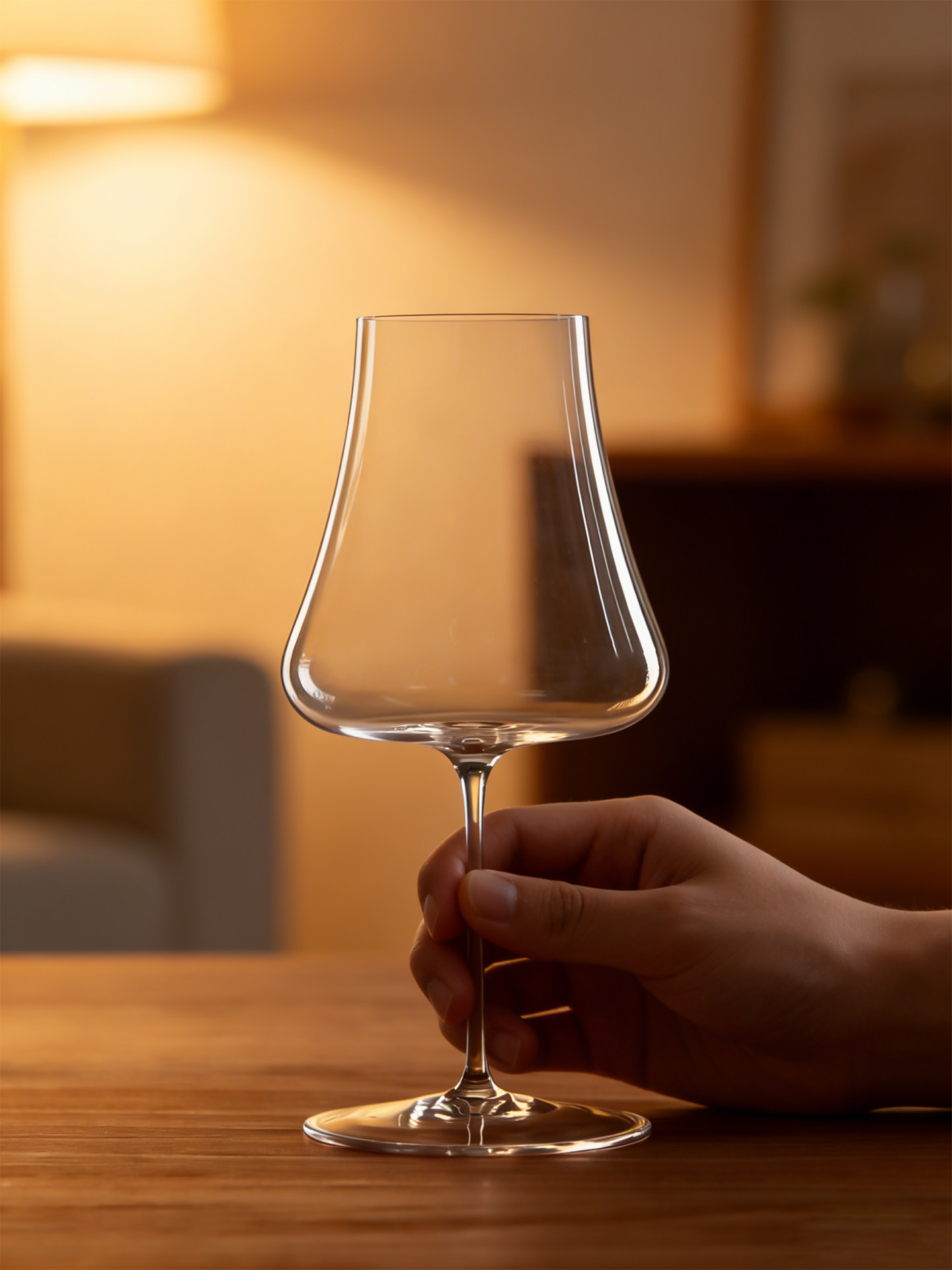
Hold by the stem keeps your hand heat from warming the wine. Champagne should be at 8-10°C; warm hands push it above 12°C within minutes.
Don’t overchill: over-cold champagne mutes the aromatics. Refrigerator-cold is too cold; ice bucket for 20 minutes from room temperature is better than overnight in the freezer.
Tilt the glass when pouring; minimises bubble loss during the pour itself.
Care
Hand-wash in warm soapy water, rinse, air-dry stem-down on a soft cloth or wine glass tree. Don’t put in the dishwasher with heavy items (movement damage to the thin stem is the primary failure mode).
If clouding appears after years of use, soak in 1:1 white vinegar and water for 30 minutes. Restores clarity to like-new.
Pair with
- Crystal Red Wine Glass (Bordeaux) — for dinner alongside the champagne
- Classic Crystal Whisky Glass for after-dinner spirits
- See Best Whisky Decanter Sets Under £200 for the full home bar setup
Questions answered
Tulip vs flute vs coupe which champagne glass is best? +
Tulip (this one): the modern preference of sommeliers, combines the bubble-preservation of a flute with a wider opening that releases aromatics. Standard flute: tall and narrow, preserves bubbles but mutes aroma. Coupe (Marie Antoinette style): wide and shallow, looks vintage but loses bubbles in minutes. Tulip is the best balance for actually drinking the champagne.
Is this hand-blown or machine-made? +
Hand-blown — each piece is individually drawn while the glass is molten. You can identify hand-blown by slight variations in stem thickness and bowl-to-stem transition. Machine-pressed glasses have perfectly uniform stems and a visible seam line; hand-blown have organic variation.
Sold as a pair or single? +
Sold as a matching pair (£30.99 = £15.50 per glass). Both glasses ship from the same production batch so optical clarity, weight, and exact dimensions are matched. Particularly important for wedding/anniversary gifts where the pair will be photographed together.
How do I wash hand-blown champagne flutes? +
Hand-washing recommended: the long thin stem is the failure point on stemware, and dishwasher movement is the primary cause of breakage. Wash in warm soapy water, rinse, air-dry stem-down on a soft cloth or wine glass tree. If you must dishwasher, use top rack with proper stem cradles.
Will the bubbles last in this glass? +
Yes the slightly narrower mouth (vs a coupe) keeps CO2 dissolved in the wine longer. Bubbles in this glass last 30-45 minutes (vs 5-10 in a coupe). The tulip profile concentrates aromatics at the rim while preserving the visual stream of bubbles up the centre of the bowl.
Is this a good wedding gift? +
Particularly good, champagne flutes are a wedding/anniversary classic, and the hand-blown tulip profile is more thoughtful than the obvious 'set of 6 flutes'. Pair with a quality bottle of Champagne (Bollinger Special Cuvée at £45-50 is the classic) for a complete present. Ships in branded LuxuryTrex packaging.
Lead-free? +
Yes; fully lead-free crystal. Same brilliance and refractive quality as traditional lead crystal but safe for daily use. Particularly relevant for sparkling wines where CO2 in the wine creates slightly acidic conditions.
How fragile are they? +
Reasonably robust for hand-blown stemware — won't fail under normal use. The thin stem is the failure point if knocked over while empty. Stored upright (not inverted on the rim), with hand-washing, they last 10+ years. Replacement single glass available contact us with the SKU.