Home Guides
How to Hang a Heavy Mirror (and How High Above a Sofa or Fireplace)
How to hang a heavy or large mirror on brick, plasterboard or plaster, which fixings suit each wall, and how high to hang it above a sofa or fireplace.
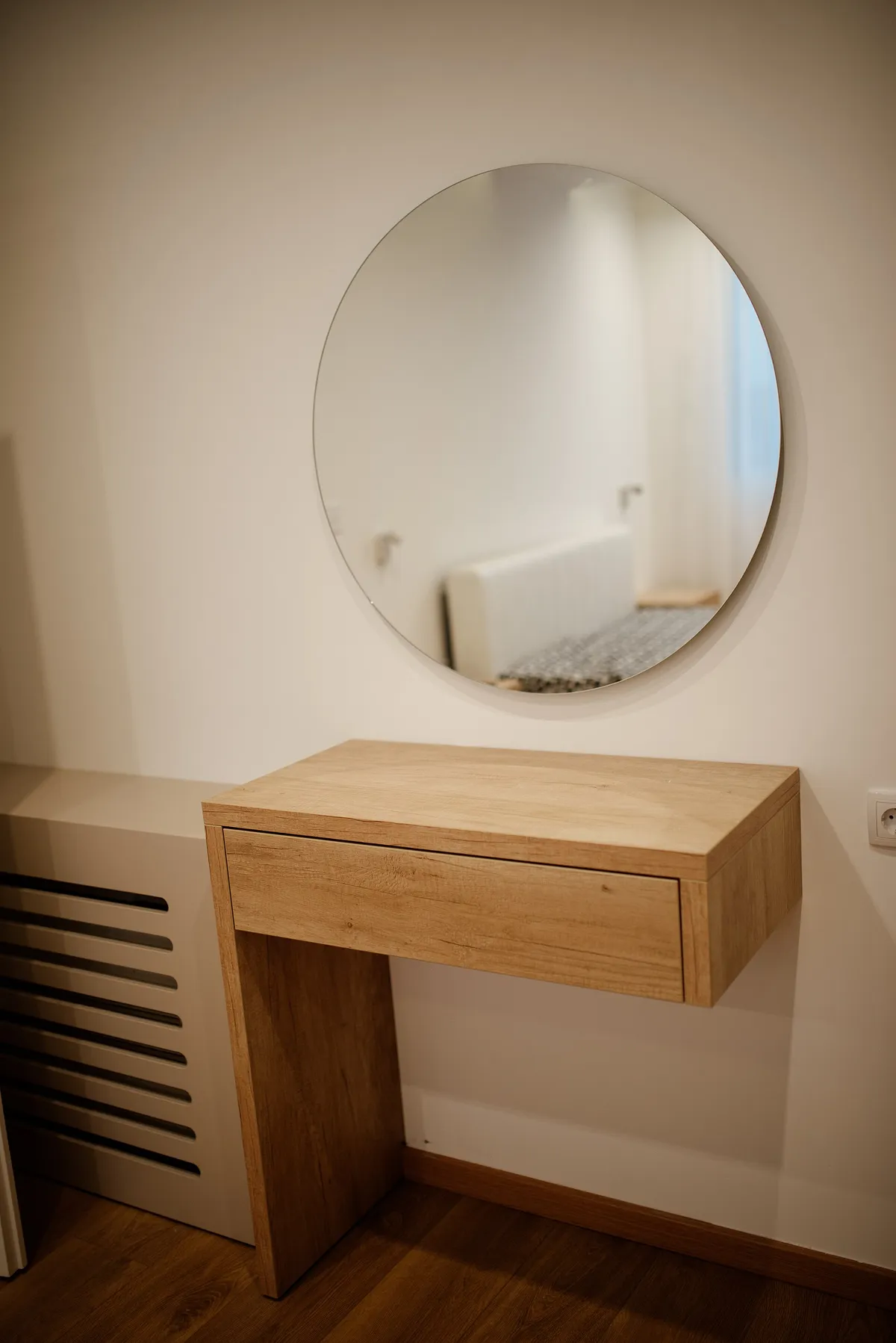
At a glance
- Weigh the mirror and find out what the wall is made of.
- Use fixings rated for more than the mirror weighs.
- Centre it about 145 to 165cm from the floor.
- Leave 15 to 20cm above a sofa and 10 to 15cm above a mantel.
- Over a working fire, follow the fire maker's clearance.
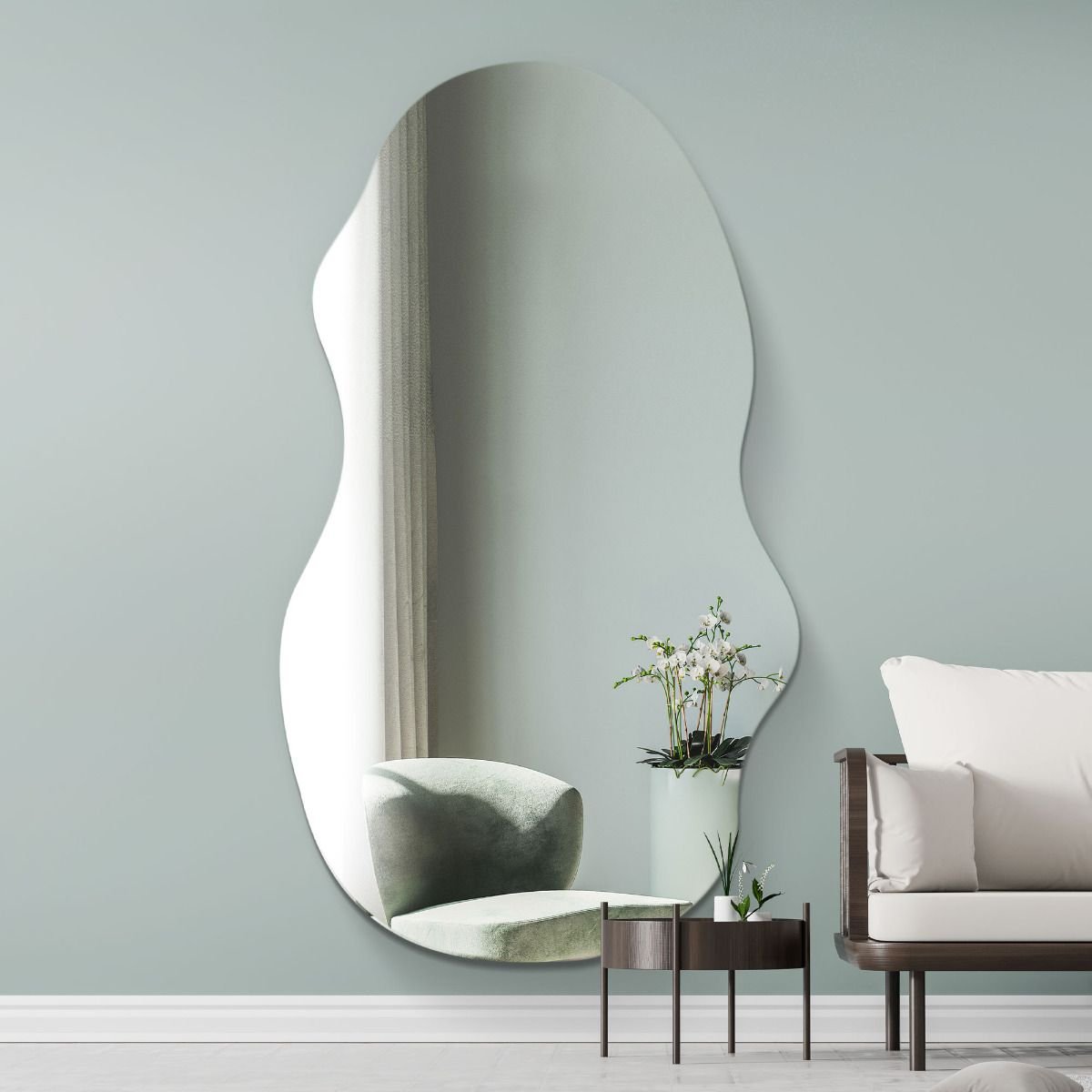 Large Asymmetric Wall Mirror. Stylish, Modern Frameless Statement Piece £199.99 · Free UK delivery Shop
Photo: Shixart1985, CC BY 2.0, via Wikimedia Commons
To hang a heavy mirror, weigh it, find out what your wall is made of, and use fixings rated for more than the mirror weighs. Fix into studs or solid masonry where you can. Get a second person to hold it. This guide covers the fixings, the steps, and the heights for hanging a mirror above a sofa or fireplace.
Weigh the mirror and identify the wall
Start with the weight. Use bathroom scales: weigh yourself, then weigh yourself holding the mirror, and subtract. Write the number down. Add a margin and buy fixings rated well above it.
Hollywood Mirrors says to tap the wall. A dull, solid sound suggests brick, block or concrete. A hollow sound suggests plasterboard over a timber or metal frame. The same guide says studs usually sit at 400mm or 600mm centres behind 12.5mm plasterboard.
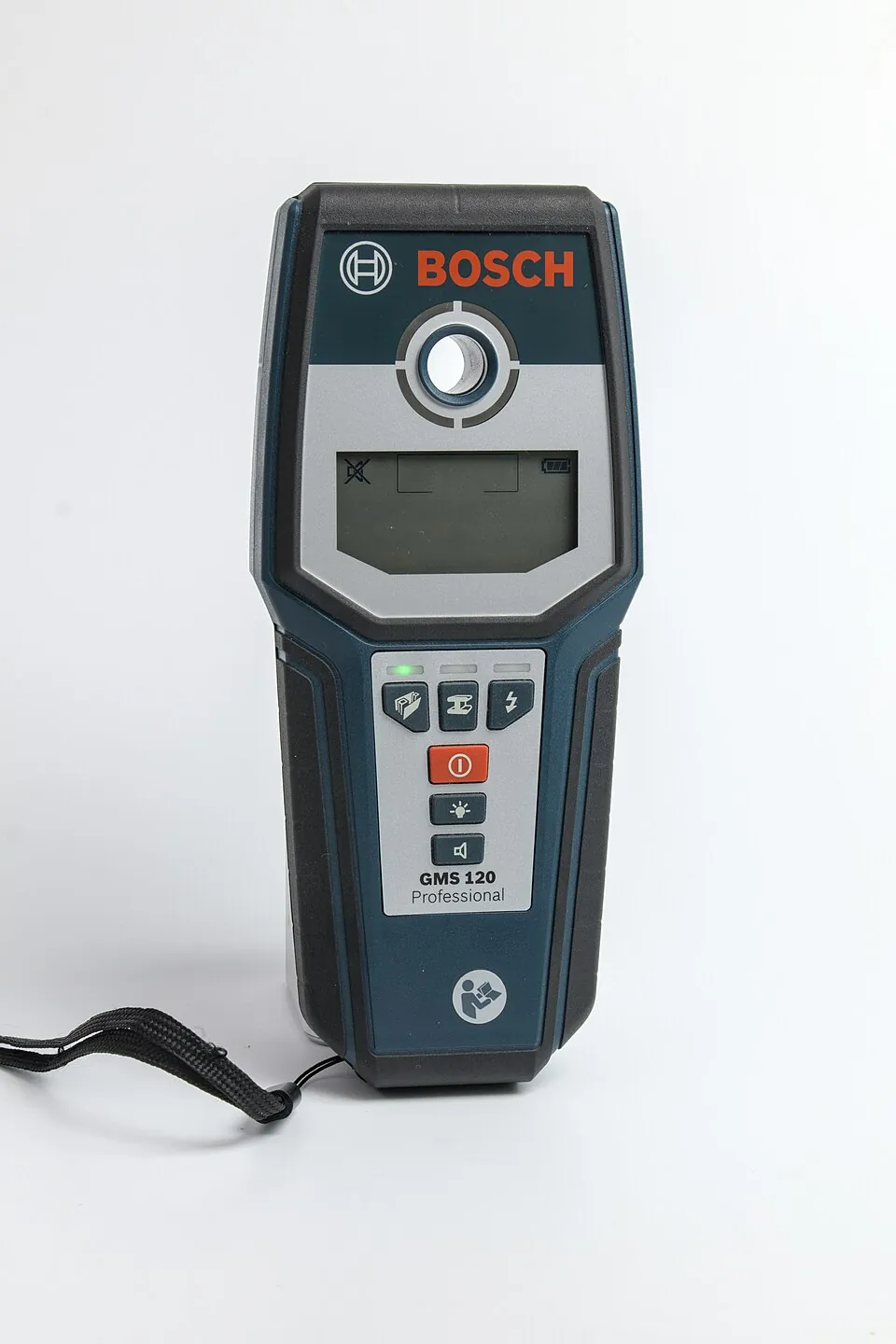
Then scan the area. A stud detector finds the frame. A separate cable and pipe detector shows hidden services, so you do not drill into them. Do both before you mark a single hole.
Wall types and the fixing to use
| Wall type | How to tell | Fixing to use |
|---|---|---|
| Solid brick, block or concrete | Dull, solid sound when tapped | Expanding plastic wall plug and screw |
| Plasterboard with a stud behind | Hollow sound, detector finds a stud | Wood or metal screw straight into the stud |
| Plasterboard with no stud | Hollow sound, no stud at the mark | Spring toggle or metal expanding cavity anchor |
| Dot and dab (board stuck to the wall) | Hollow sound, but solid behind the board | A fixing that reaches the solid wall behind the board |
| Lath and plaster | Older property, hard brittle plaster | Fix into the timber behind, or spread the load across a backing board screwed into studs |
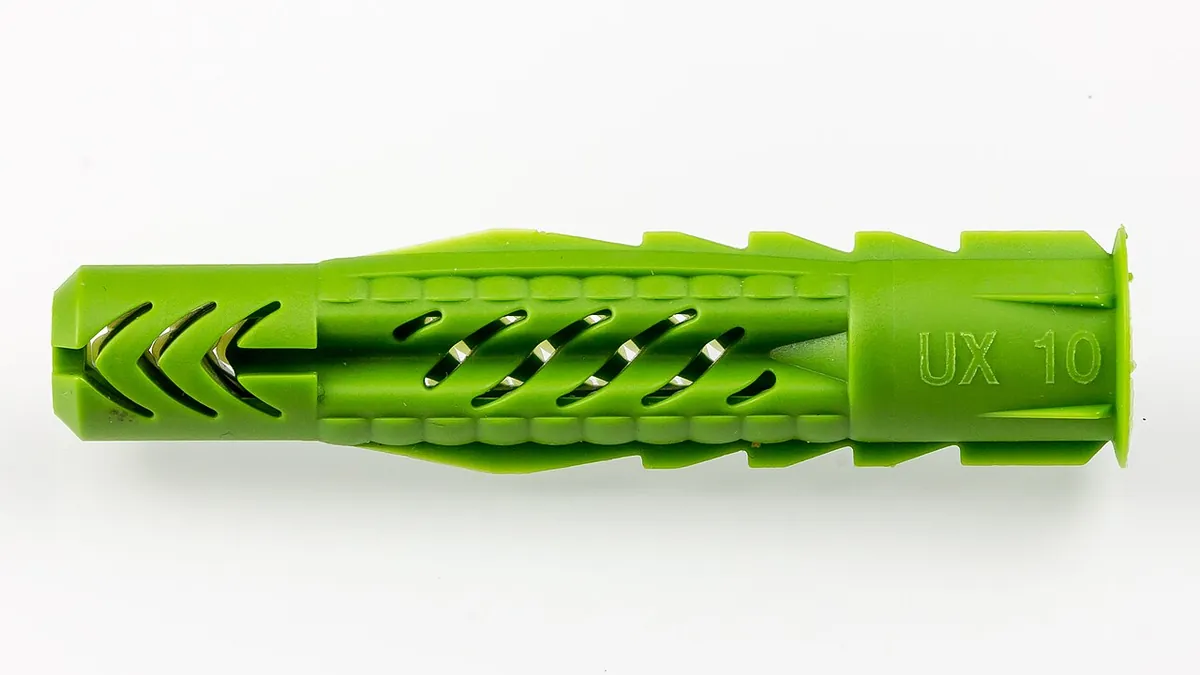
The first four rows follow the Hollywood Mirrors guide. For lath and plaster, several DIY forum answers recommend fixing to timber or spreading the load with a backing board or French cleat. We found no manufacturer guidance for it, so ask a tradesperson if you are unsure.
What load rating do the fixings need?
The fixing’s rated load must be higher than the mirror’s weight. Hollywood Mirrors puts it as fixings “rated for more than the mirror weighs”. The heavier the mirror, the stronger the fixing needs to be.
Read the pack or datasheet for the rating. Check which board thickness the rating applies to. A “holds up to” claim on a shop page may be a test figure, not a safe working load.
If your mirror is near the limit of any fixing, use more fixings or go into a stud.
How to hang a heavy mirror, step by step
Work with a second person. Heavy mirrors are awkward and slippery, and one person should hold the weight while the other checks the position.
- Weigh the mirror and note the hanging hardware on the back.
- Decide the height. See the placement section below.
- Scan the wall for studs, pipes and cables.
- Mark the fixing points with a pencil. Use a spirit level so the marks are horizontal.
- Drill with the right bit: masonry bit for brick, normal bit for board. Clear the dust.
- Fit the plugs, toggles or screws for your wall type.
- Lift the mirror onto the fixings with your helper. Do not let go until it has seated.
- Check it is level. Press gently on each corner to confirm it does not move.
A crooked hang can overload one fixing. Check the level before you step back.
Choose the right hanging hardware
Avoid wire for a heavy mirror. D-rings, a flush-mount bracket or a French cleat spread the load better. Hollywood Mirrors calls a flush bracket the safest choice for a heavy mirror, because it “spreads the load”.
A French cleat is two strips cut at 45 degrees. One fixes to the wall and one to the mirror, and they lock together. It suits very large mirrors because the load runs along the whole length of the cleat.
How high to hang a mirror
Centre the mirror around eye level. Two design guides, The Mod Studio and Frame My Mirror, put the centre at 57 to 65 inches from the floor. That is about 145 to 165cm. Hang slightly lower above furniture.
Mirror above a sofa
Leave about 15 to 20cm between the sofa back and the bottom of the mirror. Frame My Mirror gives 6 to 8 inches for the gap above furniture, which converts to 15 to 20cm. Choose a mirror about two thirds to three quarters the width of the sofa.
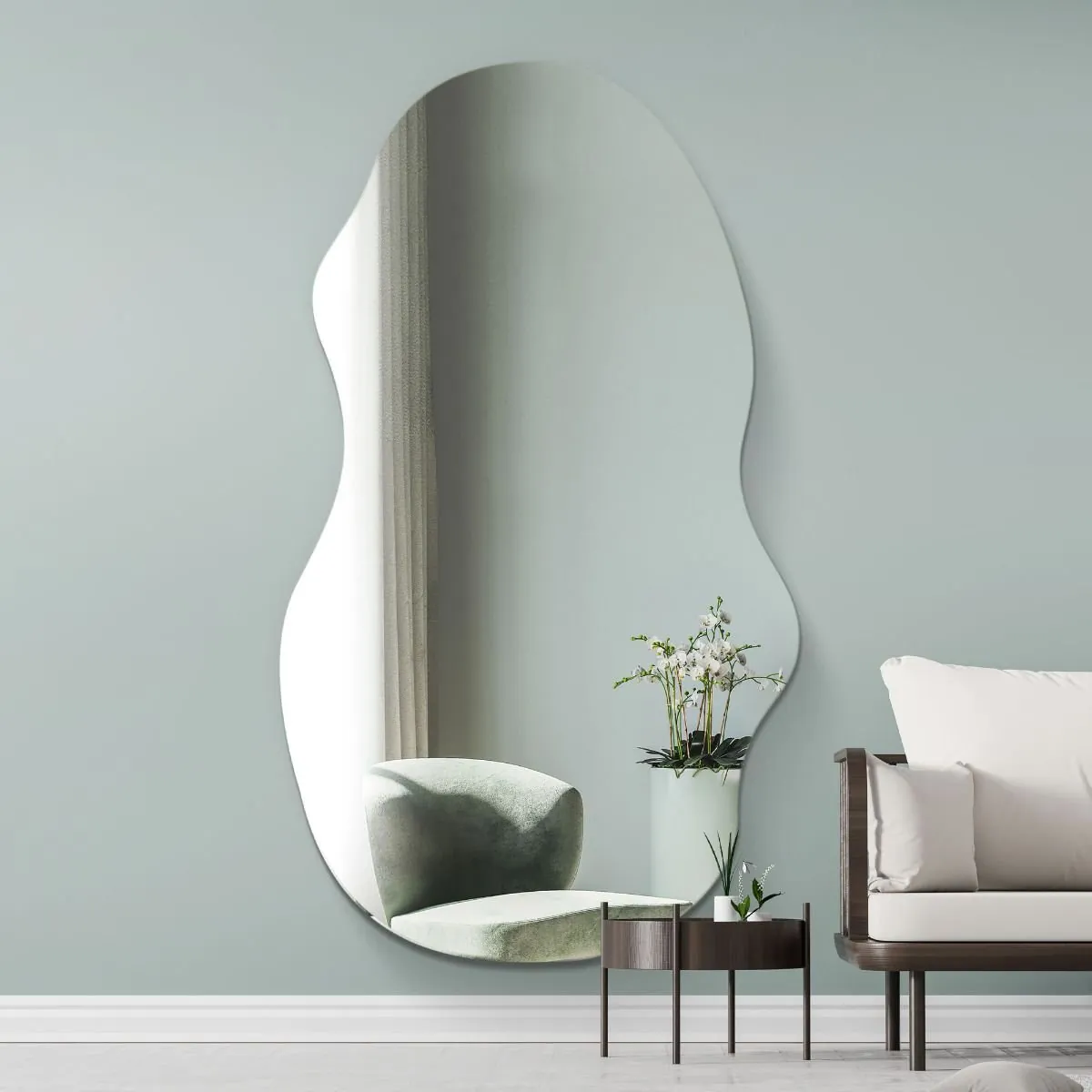
Mirror above a fireplace
Leave 10 to 15cm between the mantel and the bottom of the mirror. The Mod Studio gives 4 to 6 inches above a mantel. Soraya Interiors suggests 6 to 12 inches. The aim is the same: the mirror should read as one group with the mantel. Match the width to two thirds to three quarters of the mantel.
Heat and cables above a working fireplace
A mirror above a working fire needs more care. Soraya Interiors says a clearance of at least 12 inches (about 30cm) is generally recommended to prevent heat damage to the mantel and surrounding decor. That figure protects the mantel, not the mirror. For the mirror, follow your fire or stove maker’s clearance, and with our mirror keep at least 30cm between its bottom edge and the heat source.
Heat can affect the silvering on the back of the glass. Check your fire or stove maker’s instructions for the safe clearance. Scan for electric cables before you drill above a fireplace, as you would anywhere else.
Leaning a floor mirror safely
A leaning mirror can tip. Soraya Interiors suggests wall anchors, adhesive pads or furniture straps to steady a leaning mirror, plus anti-slip pads and a slight backward tilt. Use an anti-tip strap screwed into the wall or a stud. Stand it away from doorways and keep it out of reach of children and pets.
A large mirror to hang this way
Any large mirror needs the steps above, with the weight checked first. Here is how that works for one we stock.
Our asymmetric frameless mirror is 100cm tall and 70cm wide and weighs 7.8kg. It is 5mm silvered glass on a hardwood backing with concealed steel hangers. We list pre-fitted brackets and two wall anchors rated for plasterboard or masonry. Check that the anchor rating you use is above 7.8kg for your wall.
It is for indoor dry rooms only. We advise against hanging it directly above a fireplace. If you use it over a mantel, we say to keep it at least 30cm above the heat source.
For more picks, see our guide to stylish mirrors.
Questions answered
Can I hang a heavy mirror on plasterboard? +
Yes, if you screw into a stud or use a cavity fixing rated for more than the mirror weighs. A plain plastic plug in bare plasterboard is not enough for a heavy mirror.
How do I hang a large mirror without a stud? +
Use a spring toggle or a metal cavity anchor, and check the maker's rated load for your board thickness. Use two or more fixings and spread the weight with a flush bracket or D-rings.
Should a heavy mirror hang on wire? +
No. A wire concentrates the load on one point and is a poor choice for a heavy mirror. Use D-rings, a flush bracket or a French cleat instead.
Can I put a mirror above a fireplace? +
Yes, if you follow the fire or stove maker's clearance for decor above it. Over a working fire, keep the mirror well clear of the heat source, because heat can damage the silvering.
How high should a mirror sit above a sofa? +
Leave about 15 to 20cm between the back of the sofa and the bottom of the mirror. Make the mirror about two thirds to three quarters the width of the sofa.
Is it safe to lean a large mirror on the floor? +
Only if you stop it tipping. Use a wall strap or anti-tip fixing, stand it on a non-slip pad and keep it away from doorways and children.


